As part of our ‘From the Plot’ series, we chat to inspiring growers who generously share their passion and knowledge with others. This month we spoke to Chris from @thatcotswoldlife, a cottage garden enthusiast and slow-living advocate, about how a centuries-old Cotswold cottage became the backdrop for a garden full of life, history and wildlife. Discover how his space has grown into a place for growing food, supporting nature and creating beauty in every season…
My mum was my gardening influence
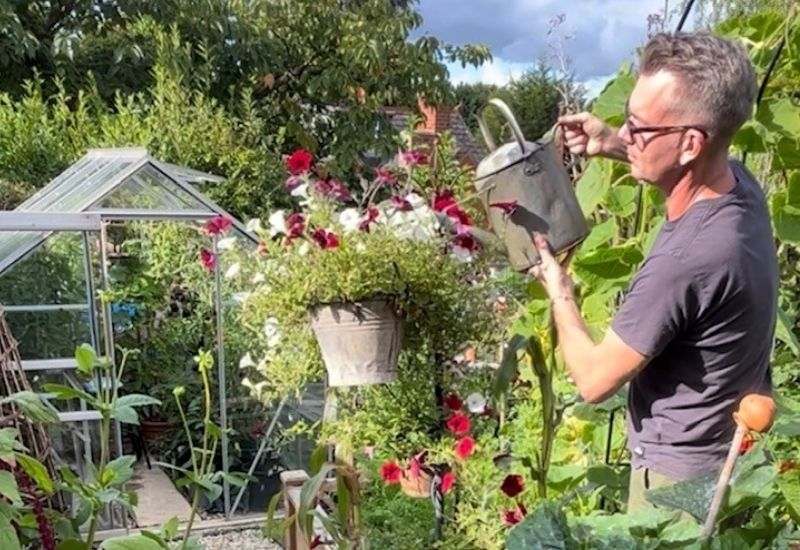
Chris watering a hanging basket filled with colourful flowers
Image courtesy of Chris Fordham
I grew up with a mum who was a passionate gardener, and an elderly neighbour, who became like a grandmother to me, took me under her wing and taught me so much about plants and the rhythm of the seasons. At the age of 15, I started working on Saturdays at a small, family-run nursery and also started a little gardening business in the village, looking after people’s gardens and learning the bones of design, structure and maintenance. Those early experiences really rooted my love for creating and nurturing outdoor spaces.
Cottage-style gardening is my favourite
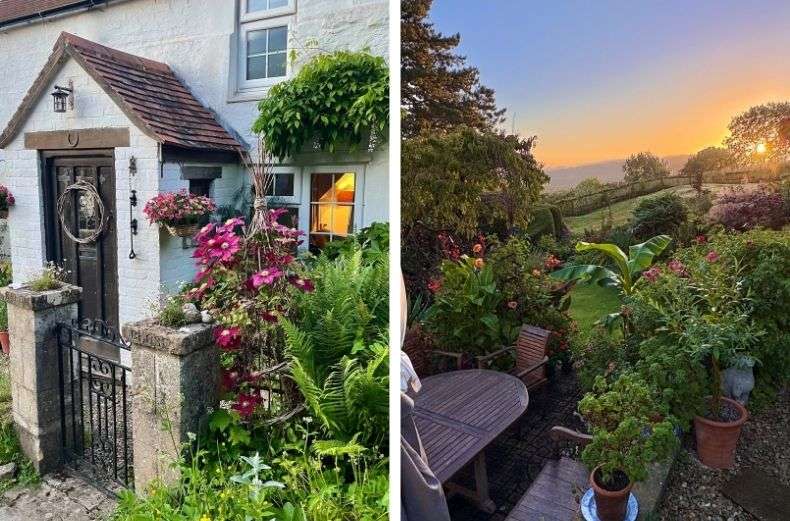
Chris’s idyllic cottage with breathtaking views
Images courtesy of Chris Fordham
I’ve always been drawn to traditional cottage gardens – full of life, texture and gentle chaos – so moving to our 300-year-old Cotswold cottage felt like coming home. The garden is wonderfully generous, with different ‘rooms’ that have allowed us to create everything from a kitchen garden and fruit area to herbaceous borders and a new wildlife garden complete with a pond (that’s our latest project).
While I adore the softness of classic cottage planting, I also like to push boundaries a little, introducing more tropical foliage and bold combinations inspired by the late, great Christopher Lloyd of Great Dixter. His fearless approach to colour and form continues to influence me.
I love to grow heirloom vegetables

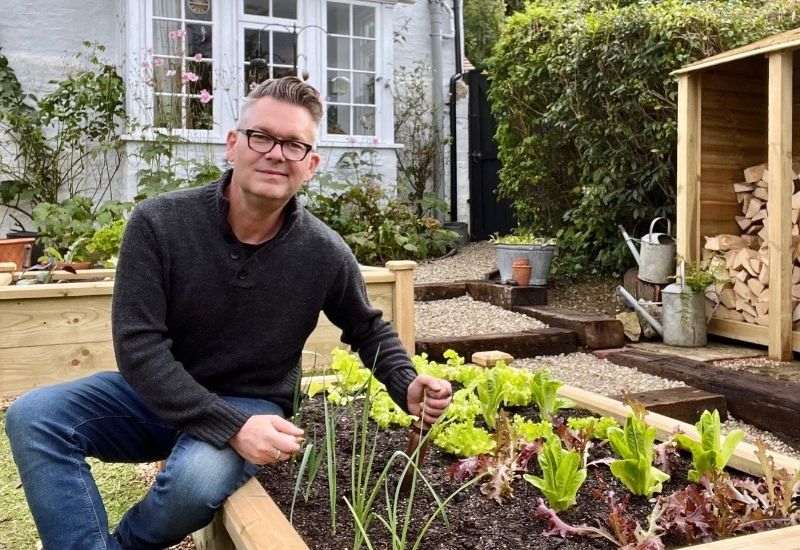
Chris planting his raised beds with veggies
Images courtesy of Chris Fordham
When we arrived at the cottage, we inherited a few mature fruit trees – fig, apple, plum and pear. It felt only natural to build a productive kitchen garden around them. Raised beds soon followed, and I’ve been hooked ever since. There’s something so grounding about growing your own food, from the first seedlings to the satisfaction of harvesting.
I love experimenting with heirloom varieties that you’ll never find in supermarkets, their flavours are incomparable, and they bring a sense of heritage to the table. Anyone can give it a go, even in the smallest space. At our first house, we grew climbing French beans in a large pot by the back door, which meant I could open the door and pick beans for dinner, straight from the vine. From plot to pot in moments, it doesn’t get better than that!
I’m inspired by the local landscape
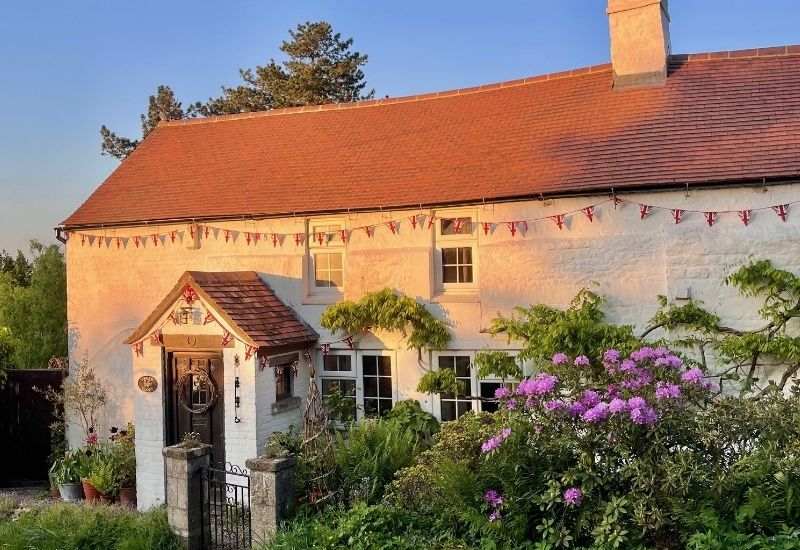
Chris’s Cotswolds home laden with gorgeous greenery
Image courtesy of Chris Fordham
Our garden was inspired by a deep love of place and history. Living in a centuries-old Cotswold cottage surrounded by rolling hills, dry stone walls and wildflower meadows naturally guided the vision. I wanted the garden to feel as though it had always been here, softly tumbling, timeless and full of life. I’m inspired daily by the landscape around us, by the sound of bees in summer, the changing light on the limestone, and the beauty of imperfection that nature does so well. It’s a garden that celebrates both nurture and nature, and that’s what keeps me endlessly inspired.
I love the drama of dahlias
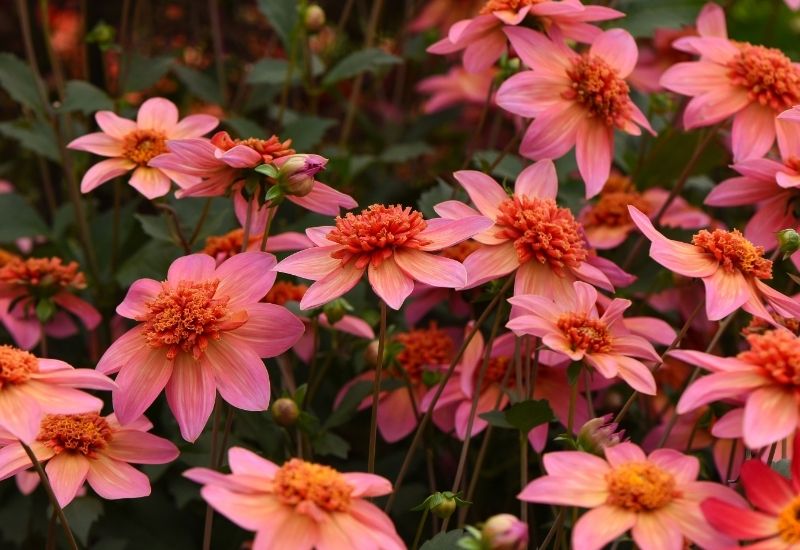
Delicate tangerine-orange blooms adding soft drama and glowing warmth
Image: Dahlia ‘Totally Tangerine’ from Suttons
Dahlias are my absolute weakness; there’s such variety and drama in their forms. I have a soft spot for open-centred dahlias, like ‘Totally Tangerine’, which are magnets for pollinators. They’re also wonderfully generous plants; cuttings are so easy to take in spring, and by the end of summer you’ll have armfuls of new plants, all for free.
A garden is never finished
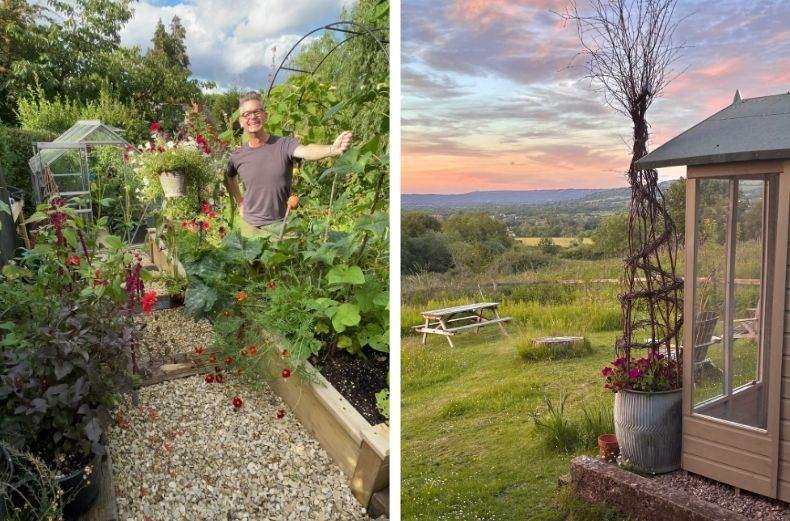
Chris in his garden, accompanied by its never-ending landscape view
Images courtesy of Chris Fordham
I always tell people thinking of getting into gardening that it’s all about learning to love the process. My key bit of advice is always to start small, maybe with a few pots or a single raised bed of salad and carrots, and let your knowledge grow alongside your plants.
Gardening isn’t something to master all at once; it’s something to fall in love with slowly. We tend to take on one big project each year, and this year’s has been the new summerhouse and a wildlife pond that’s still taking shape. The beauty of gardening is that it’s never finished, and that’s exactly the joy of it.
Instagram has enriched my gardening experience
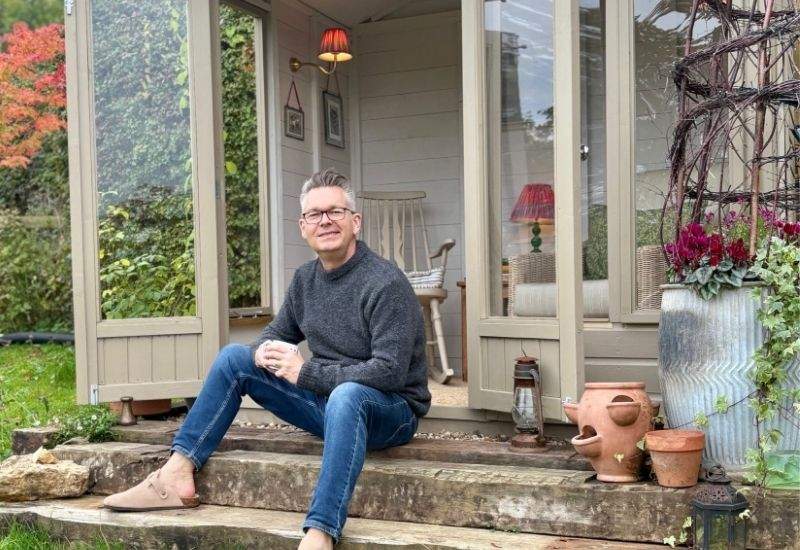
Chris enjoying the tranquility of his stunning garden
Image courtesy of Chris Fordham
Building a community on Instagram has been one of my proudest achievements. What started as a place to share photos of our cottage, garden and the beauty of the Cotswolds has blossomed into something much bigger. Over the last five years, I’ve had the incredible opportunity to attend events like RHS Chelsea Flower Show and Malvern Spring Festival, and visit inspiring places such as Sarah Raven’s beautiful Perch Hill Garden.
The online gardening community is such a warm, encouraging space. I love connecting with like-minded people who are happy to share advice, laughter and a genuine love for growing. I’ve learned so much and made so many connections that have truly enriched my gardening journey.
Gardening is about living seasonally
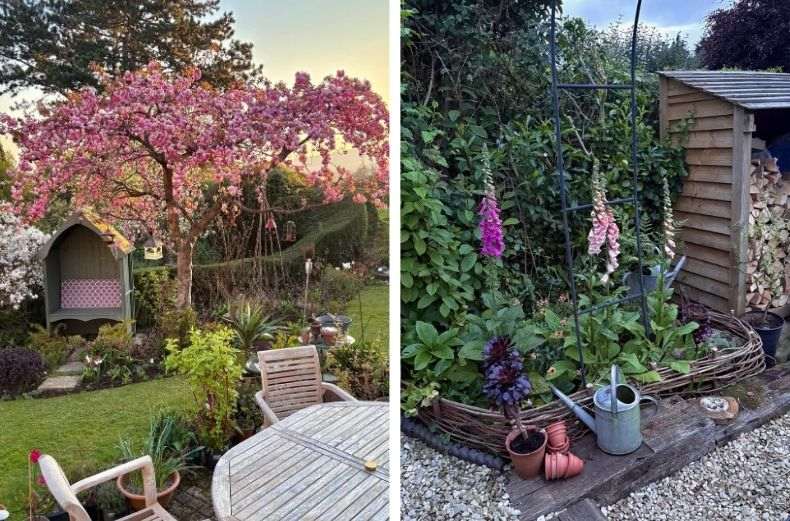
Vibrantly coloured blooms help bring Chris’s garden to life
Images courtesy of Chris Fordham
I’m passionate about continuing to grow the @thatcotswoldlife Instagram community and sharing how the home and garden intertwine. For me, gardening isn’t just about flowers. It’s about living seasonally, encouraging wildlife, growing food and treading lightly on the earth. I want to show that you can create beauty, purpose and sustainability in equal measure, no matter the size of your space.
Wildlife gardening has become a real focus for us. Watching our freshly dug pond come alive with frogs, newts and dragonflies will be totally magical. Every small step, whether it’s leaving seed heads standing through winter or planting nectar-rich flowers, makes a difference. Gardening with nature, not against it, is the most rewarding kind of gardening there is.
Grow like Chris

A super sweet cherry tomato with a refreshing tang
Image: Tomato ‘Sweet Aperitif’ seeds from Suttons
If you want to grow like Chris, here are just a few of his favourites:
Follow Chris at @thatcotswoldlife for cottage garden charm and seasonal slow living ideas. To discover more inspirational growers, explore our ‘From the Plot’ series for practical tips and ideas.
 Add us to your Google Preferred Sources