Thinking about signing up for an allotment? We asked some of our favourite allotmenteers to share words of wisdom for anyone just starting out. Tending a plot is one of the most satisfying ways to fill your kitchen with fresh, homegrown produce, but the initial learning curve can feel steep. Here are the real-world tips, tricks, and hard-earned lessons every new grower needs to know.
Browse our full range of vegetable seeds for inspiration…
What should you grow at your allotment?
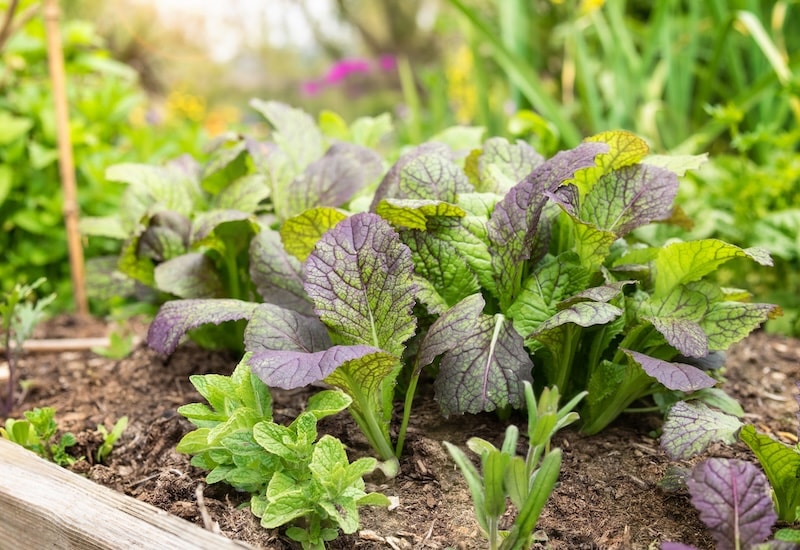
Quick-growing lettuce and leaves filling gaps in a raised bed
Image: Lettuce and leaf seeds from Suttons
Deciding what to plant first can feel a bit daunting. The trick is to keep things simple, focus on crops you actually enjoy eating, and build your confidence step-by-step. Here’s what our expert allotmenteers recommend sowing first.
Browse our premium range of organic vegetable seeds for chemical-free varieties with a high natural resilience to pests and disease.
Grow what you like to eat
“My favourite gardening tip is ‘grow what you like and don’t worry about what other people are growing’. Gardening is a hugely personal experience, and realising that you can do whatever you want is a massively positive thing to understand.” – Steve from @snewland97
Start with less than 5 vegetables
“If you’re growing for the first time, start with no more than 5 different things, otherwise it can be overwhelming, and possibly take away your future enjoyment.” – Julia from @parkers_patch
Try heirloom and heritage vegetables
“Grow heirloom and heritage varieties whenever you can. The flavours, colours, history, and stories behind them are worth it alone.” – Ben from @ben_the_grower
Always start with high quality seeds
“Purchase high-quality seeds and try taking cuttings to experiment with growing a variety of plants. It’s very much trial and error.” – Ellen Dolbear @country_allotment
Don’t make it too complicated
“My top tip for anyone new to vegetable gardening is just to keep it simple. It can feel overwhelming with all the advice on sowing depths, spacings between crops, types of compost etc. But actually, in most cases, you just need to push a seed into the ground and nature will do the rest. The tomatoes that self seed in cracks in my patio are often just as healthy as the ones I nurture in my polytunnel!” – Louise Howell from @our_little_veg_garden
How should you plan your allotment?
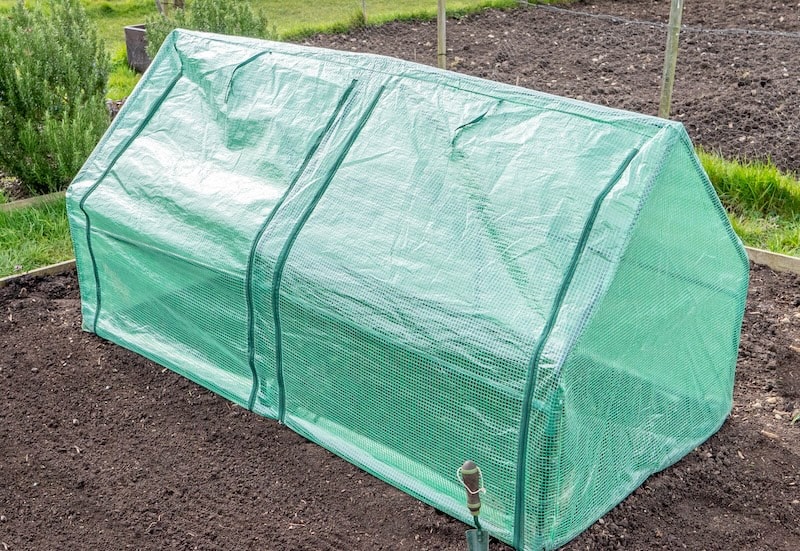
Protect crops from first pockets and cold winds with a cloche
Image: Apex cloche from Suttons (© T&M)
Mapping out your plot is one of the most important jobs at a new allotment, and a little careful planning will save you time and energy in the long run. By understanding your soil and monitoring the hours of direct sun and wind your plot is exposed to, you can avoid costly mistakes. Before you dive into digging, here’s what our seasoned plot-holders recommend…
Browse our full range of vegetable growing tools and plant protection to get you off to a flying start.
Think about a grand plan for your allotment first
“It’s important to look at the bigger picture when designing a garden or allotment. Think about how the whole space will work together. Once you have that bigger vision, slow down and build it step by step. Gardens don’t happen overnight, and some of the best spaces evolve over years.” – Ben from @ben_the_grower
Then focus on one small section at a time
“It’s a journey, not a race. You don’t need to go crazy clearing the whole plot in one go. Depending on the time of year you start, go in sections, prioritising and phasing the work to suit seasons and soil. It can be overwhelming, and I’ve seen so many new plot-holders go all out, spending a fortune on infrastructure, only to give up, feeling it’s too much or too expensive. One big change each year is all you really need.” – Jayne Hickling, @allotmentcooks
Understand your growing conditions
“My top tip for beginners is to identify the conditions in your growing space before you plant anything. Is it shady, part-shade or full sun? Is it damp or dry? Is your soil clay, sand or loam? Doing this means you can buy the right plants for the right place which will help them thrive.” – Nikki Jones, aka @thriftygreenlife
Map out the best location for each crop
“My top tip for beginners is to take the time to get to know your garden. It’s very useful to know the type of soil you have and therefore add amendments to slowly improve it. Some plants need more sun, and some grow better in shade (e.g. salad crops) so it’s good to be able to map out the best location for each crop that you’re growing.” – Jess Hui from @jessukgardendiaries
Don’t rush to buy everything at once
“When you’re starting out, you don’t need to buy everything at once. Spread the cost, check out second-hand stuff, reuse items from your kitchen, and look for seed swaps. It all adds up.” – Stef Davies from @the_aplotmentshire
What’s the big deal about soil?
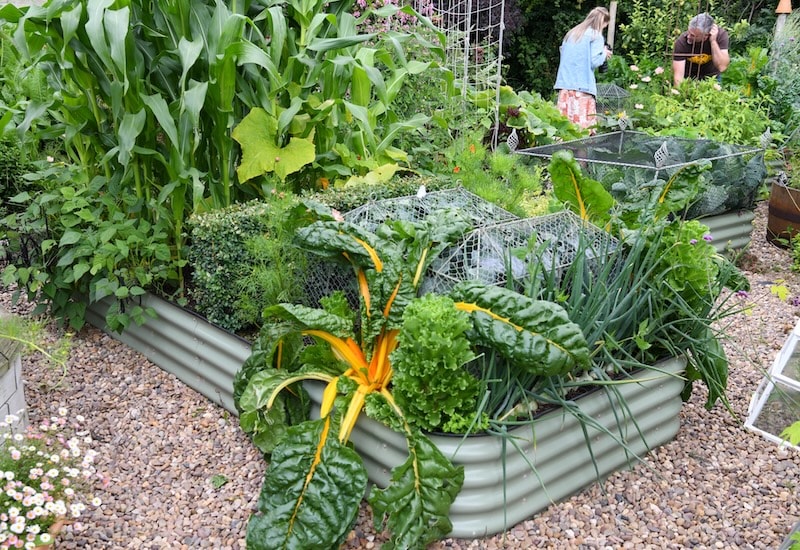
Corrugated steel planters have a vintage feel
Image: Original veggie bed from Suttons (© T&M)
Healthy, nutrient-rich soil is the secret engine behind every thriving allotment harvest. Taking time to improve your soil pays off with bigger yields, happier plants, and fewer pest problems throughout the season. Here’s what our expert plot-holders say about building the soil from the ground up…
Browse our full range of raised beds if you want more control over your growing medium.
Start a compost heap straight away
“I recommend you review and improve the soil as much as you can. Many allotment sites have community setups where plot holders can group together to bulk-buy manure or soil improvers. Creating a compost heap early on is also a great way to manage green waste while preparing for the future.” – Jess Hunter from @allotment_and_cake
Try raised beds if your soil isn’t very good
“One big challenge I faced is the soil type. Having been in a London garden before where everything grew in containers, I could control the soil. This year I met…. clay! It’s not actually been too bad and I’ve been trying to work with plants that can thrive. I’ve also got several raised beds that I can control in a bit more detail, so that unlocks a whole world of possibilities when growing things from seed.” – Rob from @robgardensandgrows
Mulch every winter
“Mulch! Look after your soil and the soil will look after your plants. Add an inch or two of organic matter to your soil over winter to lock in nutrients and get your garden ready for new plants in spring.” – Derek from @fiveminutegardener
What’s the best way to learn?
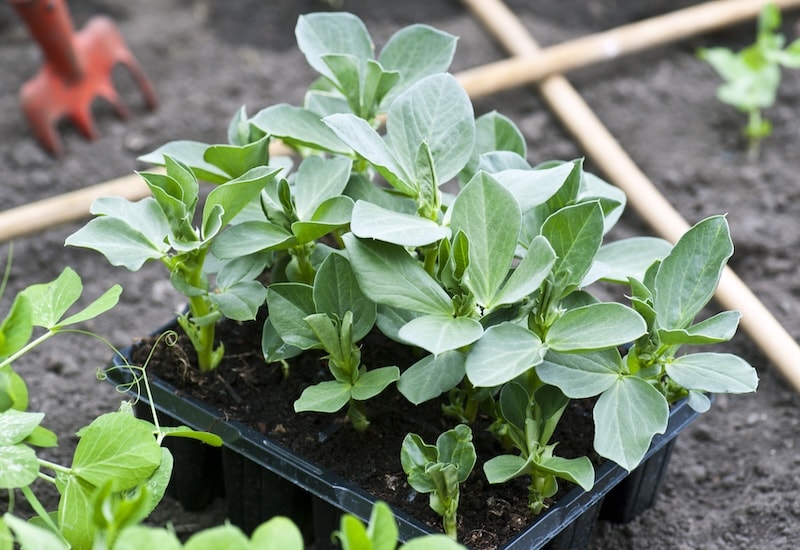
Trays of broad beans ready to be planted out
Image: Broad Bean ‘The Sutton’ seeds from Suttons
No matter how many books you read or videos you watch, the absolute best way to master allotment growing is simply getting your hands dirty and giving it a go. Embracing mistakes and not worrying if things don’t go to plan is all part of the journey. Here are some wise words from our favourite Instagram growers…
Browse our full range of potted vegetable plants to save time or quickly fill gaps if your seeds fail.
Start small
“My top tip for beginners is simple: start small and grow what you love. It’s easy to get overwhelmed, but a few well-loved plants in the right spot will bring you far more joy than trying to grow everything all at once. Also – don’t be afraid to fail. Every gardener has things that don’t work out. That’s where the learning happens.” – Jen Howarth from @life_on_the_lot
Try to garden for 10 minutes every day
“One tip I always give new gardeners is to enjoy every minute you spend in the garden and, if possible, try to do a little something out there each day. Whether it’s just 10 minutes or a full day, you’ll be surprised at how much you can achieve…” – Darren from @darrenlakin2
Focus on one project a year
“My key bit of advice is always to start small, maybe with a few pots or a single raised bed of salad and carrots, and let your knowledge grow alongside your plants. Gardening isn’t something to master all at once; it’s something to fall in love with slowly. We tend to take on one big project each year…” – Chris from @thatcotswoldlife
Throw out the rule book
“My top tip for beginners is to throw out the rule book and just whack stuff into the ground. There’s so much information out there about how to grow, which is amazing, but when you’re starting out, less knowledge is actually more! The best way to learn is to start whacking seeds and plants in the ground and watch what happens.” – Emma from @emmasallotmentdiaries
Keep trying new things
“My top tip for beginners is not to be afraid – if you want to grow something, give it a go! Though there are guidelines, there’s no hard and fast or right or wrong, just lessons to be learned and fun to be had along the way. Oh, and we’ve all killed seedlings and plants – it’s part of the process.” – Sam from @happy_place_gardener
Don’t forget to have fun
“I certainly didn’t know what I was doing when I started, and that’s half the fun. You don’t need to be an expert to begin. Gardening is something you learn by doing, season after season. Grow what you love, try new things, and don’t be afraid of making mistakes along the way. They’re all part of the journey. Most importantly, have fun with it.” – Lucy from @lucyintheplotwithflowers
Enjoy the process of trial and error
“My top tip for anyone who’s just getting into gardening is not to be put off by mistakes. Mistakes are there to learn from. Gardening is all about trial and error, and even the most experienced horticulturists sometimes get it wrong.” – Richard Bowman, aka @northern_horticulturist
Don’t lose heart when things go wrong
“There will be times when things fail and others when they excel, but try not to feel down when things don’t go to plan. It’s important that you just keep trying.” – Karen from @welliesandwaffles
Learn from other online gardeners
“I think the main thing I’ve learned is that gardening is for anyone (including certified nerds like me) and even more so now that we can learn on-demand online. I love Monty Don and his shows and his books still generate a tonne of enthusiasm in me, but the amount that I’ve learned from hundreds of other gardeners online is immeasurable.” – Alex from @alex.grows.food
Just go for it
“My garden has been inspired by a passion and desire to grow my own food. I find the seed to plate process highly satisfying, and it continues to satisfy me daily. I always tell new gardeners not to be scared, as I think it’s best to just go for it – after all, what’s the worst that could happen?” – Sam from @sams_growingfood
We hope this has given you plenty of ideas to help with your allotment journey. See our monthly guide on when to sow vegetable seeds to stay productive all year round. And our vegetable growing guides contain a wealth of practical tips too.
 Add us to your Google Preferred Sources