Growing vegetables with seed tapes is a quick and convenient way to fill your veg patch, especially for beginners or those with limited space. Made from long ribbons of biodegradable paper, the seeds are embedded at the correct spacing which eliminates the need for thinning and ensures even plant distribution.
Here’s our step-by-step guide to growing vegetables with seed tapes…
1. Choose the right vegetables
Seed tapes are one of the easiest ways to sow vegetable seeds, and they’re especially good for small seeds that are difficult to sow individually like carrots, beets, radishes, lettuce, and onions. Just be sure to check the correct sowing time for your area, and choose varieties that are suited to your growing season.
2. Prepare the soil
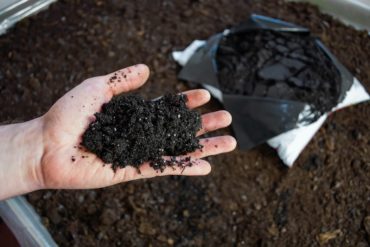
Most vegetables require at least 6 hours of sunlight a day, so you should choose a sunny spot with well-draining soil. To prepare the ground, dig and rake your soil and remove any weeds. Then add compost or well-rotted manure to improve fertility and structure (unless you’re planning to grow carrots or parsnips, as manure makes them split and fork).
3. Create a planting plan
Follow the instructions on the back of the seed tape packet for planting depths and row spacing. For future years, consider rotating your crops to prevent soil-borne diseases.
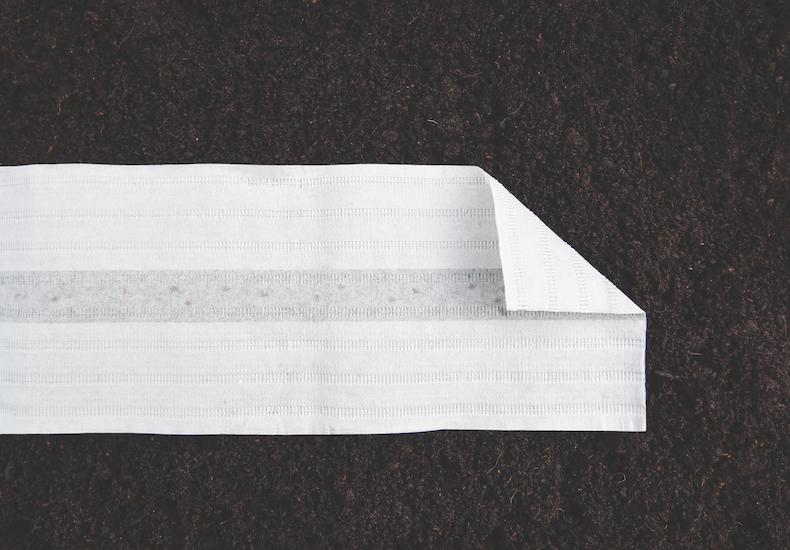
Seed tapes sandwich tiny seeds between strips of bio-degradable paper
Image: Beetroot ‘Rainbow Mix’ Seed Tape from Suttons
4. Plant the Seed Tapes
Moisten the prepared soil and dig a shallow trench using a trowel or hoe. Cut the tape to the correct length and lay it in the furrow. Cover with soil, firming lightly to ensure good seed-to-soil contact. Water thoroughly, but gently, to moisten the soil and activate the seeds. One of the benefits of using tape is that heavy rains won’t wash the seeds away before they have a chance to germinate.
5. Care for Your Plants
Once your seeds germinate, keep the soil moist, especially during dry spells, and remove weeds regularly to reduce competition for nutrients. Because seed tapes grow in straight lines, weeding is quicker and easier than with broadcast-method seedlings. You shouldn’t need to thin them out, either. If needed, apply fertiliser every 3-4 weeks to support healthy growth, and monitor for pests like slugs and aphids.
6. Harvesting
The instructions on your seed tape packet will give you an indication of approximate harvesting times. When you’re ready to start cropping, pull alternating vegetables in the row to improve air flow and help the remaining veg reach their maximum size.
Quick tips for using vegetable seed tapes:

These smooth, vibrant roots have a beautiful shape and colour
Image: Beetroot ‘Boltardy’ Seed Tape from Suttons
- Timing: Don’t plant your seed tapes too soon. Read the seed packet and wait until the direct sowing season for your area.
- Spacing: If you’re sowing multiple rows, be sure to leave the correct spacing between seed tapes to allow for air circulation and growth.
- Protection: Use plant protection like cloches, row covers, or fleece to keep young plants safe from frost or pests, especially in early spring. You could also pre-warm the soil with a sheet of black plastic to give them a head start.
- Record keeping: Keep a gardening journal to track planting dates, varieties, and outcomes for future reference.
Using seed tapes is one of the quickest and easiest ways to grow vegetables – with no need to wash seed trays, prick out seedlings, pot on, or harden off young plants. And because the seeds are pre-spaced, there’s no thinning out either. For more traditional methods, read our beginners guide to growing vegetables from seed, and check out our expert tips on sowing veg seeds for tried-and-tested wisdom.
 Add us to your Google Preferred Sources